


Healing Through the Holidays
- mapcouplesprogram
- Dec 4, 2025
- 7 min read

The holiday season arrives laden with expectations, and perhaps none is heavier than the unspoken (or loudly spoken) demand to be home with family, steeped in joy and cheer.
For adult survivors of childhood trauma, or anyone who has made a difficult but necessary choice to limit or forego family time, this relentless pressure can breed a specific type of emotional discomfort: shame.
This isn't just disappointment; it’s the insidious feeling that you've failed a fundamental social test—that you are broken because your reality does not match the relentless, saccharine holiday ideal.
"Why Can't You Just Get Into the Holiday Spirit?"

This is the question that underlies much of the holiday stress.
Even if people don’t ask it outright, they can’t seem to understand why we can’t simply muster up the required "holiday cheer."
Perhaps they remind us that if we approach the season with gratitude, we can find the joy. Maybe they repeatedly nag us to join the festivities, and when we don't participate, their dismissal can make us feel even more like an outcast.
Suddenly, we're not only battling the challenges of our past, but we're also criticized for our lack of cheer, made to feel guilty, and accused of putting a damper on "the most wonderful time of the year."
It is a time when well-meaning but seemingly innocent questions can feel profoundly critical and add to our own feelings of inadequacy:
"So what did you do for Thanksgiving?"
"Wait, you’re not going home for the holidays?!"
"So you DON’T love this time of the year?"
Confronting Holiday Shame
When we choose not to be with family over the holidays, or to severely limit the time we spend with them, we face a primary challenge: how to state our truth without apology or guilt.
The shame that arises from this choice can stem from two sources:

1. The Idealized Media Myth
Every commercial, movie, and social media post paints a picture of multi-generational bliss: roaring fires, perfect meals, and genuine, unforced laughter.
This is the holiday story we’re sold—one that creates pressure no real family can live up to.
When your reality looks different—a quiet apartment, travel plans elsewhere, or a deliberate choice for solitude—you can feel fundamentally inadequate.
The shame whispers, "Everyone else is doing it right. What's wrong with my family? What's wrong with me?"
2. The External Interrogation

The second, and often most painful, source of shame comes from the questions of others. These inquiries feel like a direct challenge to your personal decisions:
"Oh, you're not going home for Christmas? Why not?" (The tone implies there must be a dramatic, sad reason.)
"Isn't your mom/dad going to be disappointed?" (A classic guilt-trip delivered on behalf of others.)
"But the holidays are for family!" (The ultimate statement, implying your choice is abnormal or selfish.)
The truth is, your holiday choice does not define your worth or your love for your family.
You are not required to justify your plans to anyone.
Whether you're choosing peace for your mental health, avoiding a toxic dynamic, or simply building a new tradition, your decision is valid.
The following are some additional suggested responses:

“I’m keeping things simple this year and staying local.”
“My plans look a little different this time, but it feels right for me.”
“I decided to have a quiet holiday at home this year.”
“It just worked out better for me not to travel this season.”
Graceful Deflections/Avoiding Oversharing:
“Oh, thanks for asking — I’m doing something low-key this year.”(Then shift the topic.)
“I chose a different plan this time. How about you — are you traveling?”
“It’s a long story, but I’m looking forward to a peaceful holiday here.”
Kind but Firm Boundaries
“I’m taking care of myself in the way that works best right now.”
“I appreciate your concern. I’m making the choices that feel healthiest for me this season.”
“My plans are a bit personal, and I’m doing well.”
For More Persistent Questioning:
“I’d rather keep that part private, and thank you for understanding.”
“It’s not something I want to get into, and I appreciate you checking in.”
“I’m focusing on what feels right for me this year. Do you have any special plans?”
Finding Your Strength: Setting Boundaries and Saying "No"

For those with a history of relational trauma, the thought of saying "no" to family can be paralyzing.
As part of our past, we may feel responsible for the feelings of others and fear the consequences of a decision that might upset them.
But remember: "NO" is a full sentence.
As children, we had no choices.
Today, as adults, we can decide what's best for us.
You have the right to say "no" even to your closest family members.
We do not have to apologize or guilt ourselves into attending or doing something so that others will be happy.
What we need and want is important.
"No."
"I can only stay for an hour."
"I'm uncomfortable discussing this, please don't bring it up again."
"I'm not coming to the gathering."
Making the best of the holidays:
As you make new, empowered choices for the holidays, allow yourself to create moments—big or small—that reflect what you value now, so the season becomes something that supports you rather than something you simply endure.
1.Build Your Support System

While we can’t change the lack of support we experienced as children, we can affect the present by consciously creating a support system now.
This is especially important before the holidays begin.
Remind yourself that, although as children we had to cope on our own, asking for help is an act of strength.
Put together a list of people you can rely on when needed—people who understand, are non-judgmental, and can validate you.
Make plans to connect with them over the holidays, even if it’s just a short phone call.
RRP (Relationship Recovery Process), designed by Amanda Curtin, creates group opportunities for survivors of childhood trauma to meet likeminded others and can create strong support networks.
2.Making Room for Grief and New Joy

It is important to accept that it hurts.
It hurts to accept that family has been the source of our greatest traumas.
It hurts to let go of hopes and dreams that things might change.
It hurts to look around at smiling faces of those who seem to have a "perfect family."
Find space to feel these difficult emotions.
Write in a journal, turn to a friend or a partner, or simply allow yourself to cry.
Let yourself honor the real pain of having not had, and still not having, the safe haven of family that you deserved.
Painful emotions, when allowed to run their course and met with validation, can be faced and managed.
3.Confront Loneliness — Especially During the Holidays

Loneliness can feel sharper during the holidays, a season that highlights togetherness, celebration, and belonging.
When the world around us seems paired off, gathered in groups, or wrapped in rituals we may not share, it’s natural for our own aloneness to come into focus.
This contrast can be painful—not because there is something wrong with us, but because the season amplifies what is already tender inside.
For many trauma survivors, this time of year can stir old feelings of being on the outside, not chosen, or not having a family that felt safe.
Even when life today is healthier or more stable, the holidays can bring a sudden return of those earlier emotional landscapes.
Instead of seeing this as a setback, we can view it as information.
These feelings show us where connection is needed, where care is missing, and where we long for something more grounded, reciprocal, or nourishing.
Loneliness, when approached gently, can become a compass.
It can help us identify the kinds of relationships we want to cultivate, the boundaries we need to set, and the spaces where we crave more community.
Noticing the ache, without shaming ourselves for it, allows us to name our needs with more clarity.
And over time, this clarity becomes the foundation for seeking out the people, contexts, and rhythms that help us feel less alone not just during the holidays, but throughout the year.
4.Create New Memories and Traditions

It is important to remind ourselves that we deserve all the joy and merriment the season has to offer.
We can make the holidays fun and memorable, even if it doesn’t involve our family of origin.
Friends can feel more like family, and that’s perfectly okay.
Have holiday fun with your chosen family.
Volunteer for a meaningful cause.
Plan for a fun activity or trip after the holidays to focus your energy forward.
You can carve out a celebration that works for you.
5.Radical Self-Care: Honoring Your Survival
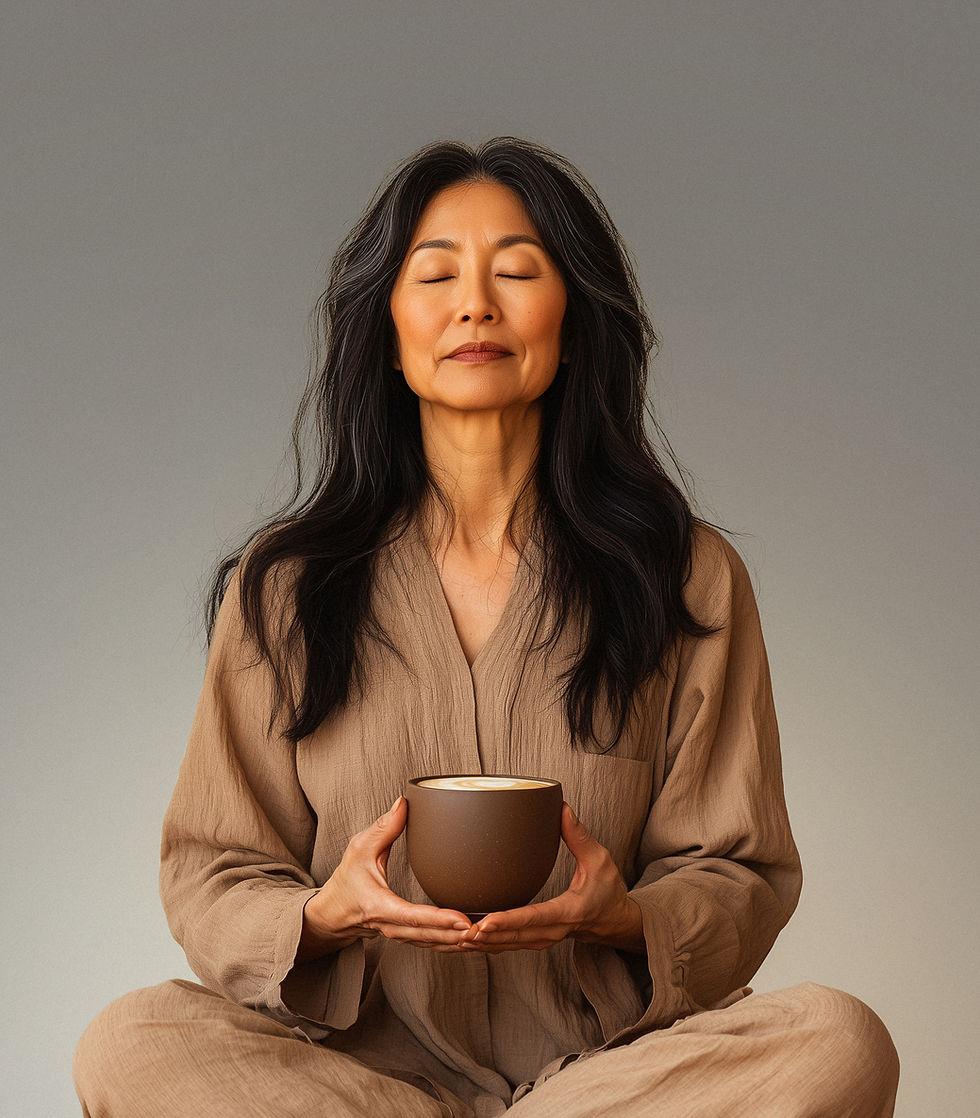
This holiday season, take a breath and give yourself permission to be kind to yourself.
As a trauma survivor, you have experienced things that no one should ever have to experience.
Allow yourself to honor the real story, the truth of your survival, and take the best possible care of yourself.

Journal Prompts for Reflection
Use these prompts to process your feelings and solidify your boundaries:
On Expectations & Shame
What did my family expect of me during the holiday season growing up?
Which expectations of me regarding the holidays make me most angry or frustrated today?
How can I shift my internal narrative from focusing on what I am missing to what I am gaining this year?
On Boundaries & Support
Remind myself why I am in limited/no contact with my family. This is not a choice I made; it is a result of a long history I did not create.
Who could I reach out to/ask to be part of my support network over the holidays?
What is one specific boundary statement I need to practice this season?
On Grief and New Beginnings
Which holiday memories from childhood bring me grief? What brings me comfort when I experience that grief?
Which traditions from childhood would I like to discontinue? Which new traditions would I like to incorporate?
How can I take care of myself during the holiday season, and what internal message do I hear when I attempt to apply that self-care?


Comments